

Wouldn’t it be great if all people cared deeply about the very things that property owners care about? It can be hard to recall what it’s like to be a renter if you have owned property for a while. Here’s a refresher… ‘It’s not my problem.’. This refers to an attitude that can be a BIG PROBLEM if you own a rental property and your tenant thinks this way. We’re going to overcome this problem with routine inspections.
It’s a problem because the tenant is not in the mindset of being responsible for the home they live in. Of course they aren’t responsible for every aspect of the property the way the owners are, but ideally they realize that taking care of the house is essential. It is my opinion that tenants should be advised that repairs needed because of their actions will be charged to them. This is relatively easy to enforce IF you conduct regular routine inspections.
Some tenants get irritated by having to allow routine inspections. I understand that. It’s their home and though they don’t own it, it is sacred when it comes to their privacy.
Property managers and homeowners absolutely need to respect that privacy. At the same time, because of human nature and the fact that renters don’t always think like home owners, stuff breaks down or gets neglected or abused and repairs are needed.
Most repairs start out small and if addressed, prevent them from escalating into more major repairs. Small leaks under a sink if caught early can be fixed at very little cost. However if a leak is allowed to proceed unchecked, cabinets are often damaged, floors and possibly ceiling depending on what level of the house the leak occurs.
The routine inspections, ones that we conduct at all our properties always begin at 4 per year or once a quarter. This is part of any new lease. After all, we have no track record with a new group of tenants and so we have to assume the worst. I have found that if a tenant proves to be conscientious about any breakdowns meaning they reach out proactively when stuff needs to be looked at, I can reduce annual inspections to 2 or 3 times per year.
I don’t see dropping below two times a year no matter how proactive tenants may be. Its just better business staying on top of the property. A typical inspection only takes 10-15 minutes in which all plumbing is checked for leaks, windows and doors are checked they are functioning properly, no electrical problems have developed and all appliances are working correctly. Of course there are other things you’ll check like if lights and ceiling or exhaust fans are working etc. Basically as we walk through a home, we’re looking for anything that needs attention.
The majority of the time, nothing is needed. We make sure the HVAC filter was changed as instructed and we’re in and out pretty darn quickly. This accomplishes two key feats. First, we are remaining firmly on top of needed maintenance which is a big money save long term. And second, we are sending the message to the tenants that we care very much about the state of the property. Do NOT underestimate the power of this message!
Tenants who never experience inspections or who are never asked if anything needs fixing begin to think and act a certain way. They will make slight adjustments and accept broken, non-working aspects of their homes. Instead of reporting the leak under the kitchen sink, they’ll put a bowl under the leaky pipe but in time they will forget to check it and before you know it, it overflows and the cabinet floor is damaged.
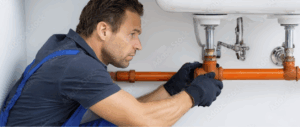
I feel it is very important that tenants know that we, the property managers are first and foremost diligently making sure the home is in tip top working shape so they have a positive experience while living there. And with that comes the underlying attitude that we expect the home to be respected and not abused nor neglected. It sets the pattern that if they have an issue, it is responded to promptly and investigated right away.
And by the same token, if during an inspection an issue turns up and it seems it was caused by the tenant, a discussion will follow. This does not, by any means guarantee the tenant would cover any repair costs. If you get too rigid on these matters, tenants will not stick around. Over my years I’ve had my share of issues that were directly caused by tenants treating the home in a less than ideal way. Hey, it happens.
Jumping to an aggressive demand for repair costs may have its own hidden cost (meaning they will move out at the next opportunity). I have a more refined approach whereby I try to find out what happened from their perspective. As a contractor who has a long history of doing home repairs, I can often conclude from their story and what I see what exactly happened. In some instances, I offer a compromise. First I present a likely cause of the issue whereby there is an implied responsibility on their part but never a sharp blaming. I’m hoping they will admit to some responsibility and then I can propose a cost sharing for the repair.
This cost sharing approach softness the pain of having to contribute financially and also keeps a good vibe to the relationship. The good vibe means all options remain open and that’s the ideal scenario. Now if a tenant has shown repeated lack of regard for the home they live in, we don’t want them renewing the lease. In these cases, we may present a list of the work needed and the cost and request full payment. This has only occurred for me after tenants have moved out and I am settling up from their security deposit.
When it comes time to deduct from the security deposit, the relationship is coming to an end and thus tip toeing around is less important. I still believe in being fair but at the end of a lease, damages cause by the tenant will be covered from the deposit.
We don’t want a lot of work needed at turnover time because that can affect the new party moving in. And that brings us full circle to the routine inspections. If done quarterly, you’ll be mostly on top of everything when the lease ends. If they move out, you’ll likely have to patch and paint but hopefully nothing more. Remember how doing the inspections not only catches problems before they progress but also keeps tenants looking for stuff and reposting it promptly. In this way, everybody wins.